
As an experienced Indonesian furniture-export manager, I understand the complexities involved in sourcing furniture for international markets. Whether you’re an importer, retailer, or part of the hospitality industry, choosing between OEM and ODM manufacturing models is crucial for aligning your business strategy with your operational needs. This page provides an in-depth comparison to guide you in making an informed decision.
Understanding OEM and ODM Models
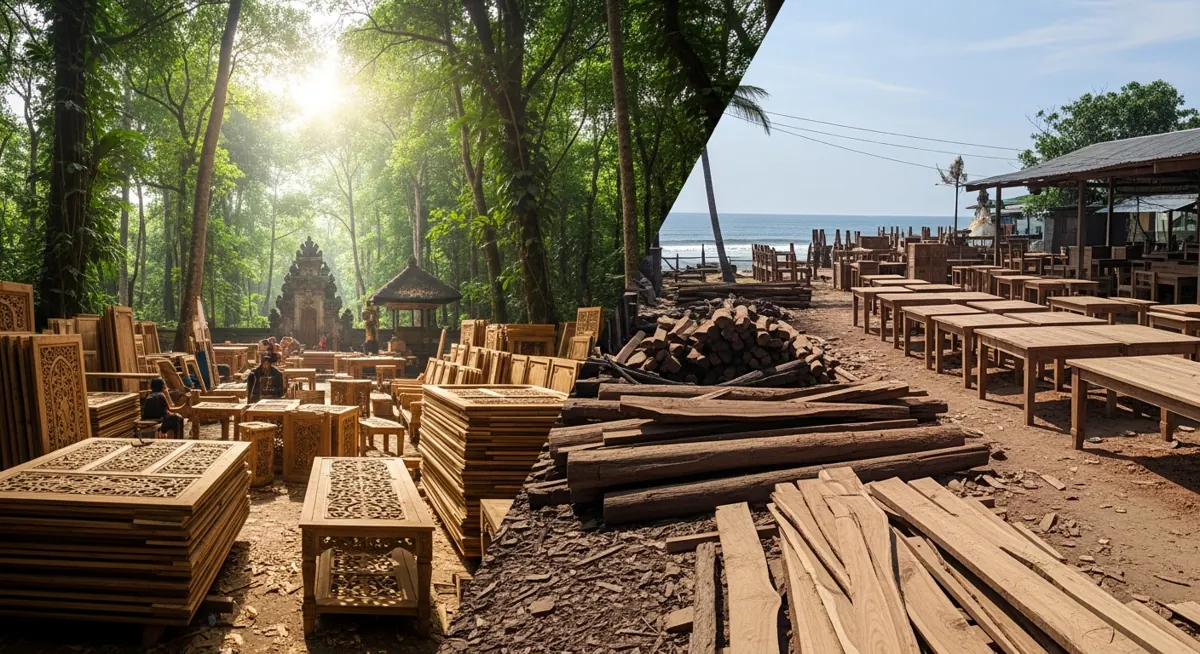
OEM, or Original Equipment Manufacturer, refers to a process where factories produce furniture according to a buyer’s specific designs and specifications. This model is ideal for brands looking to maintain complete control over design and quality. In contrast, ODM, or Original Design Manufacturer, provides pre-designed furniture that buyers can rebrand. ODM is suitable for businesses looking to quickly expand their product offerings without investing in design resources. Both models require factories to adhere to rigorous standards, such as Indonesia’s mandatory SVLK certification, ensuring the legality of timber used. The choice between OEM and ODM depends on factors such as design control, speed to market, and cost implications.
Materials and Manufacturing Hubs
Indonesia offers a wide range of materials for furniture manufacturing, including solid teak, reclaimed teak, mahogany, suar/acacia, rattan, and synthetic rattan. Each material has unique properties and sourcing requirements. For instance, Jepara in Central Java is renowned for its teak and classic carved furniture, while Bali specializes in design-led rattan and contemporary pieces. The choice of materials significantly impacts the final product’s quality and cost. Solid wood options like teak and mahogany are preferred for their durability and aesthetic appeal, while rattan and synthetic materials are popular for outdoor furniture. Understanding the material options and their sourcing hubs helps businesses make informed decisions about their product lines.
Material Grades and Finishing
Understanding the grades of materials used in furniture production is essential for ensuring quality and meeting buyer expectations. Teak, for instance, is available in various grades, with Grade A being the most premium due to its uniformity, minimal knots, and high oil content, which enhances durability. Grade B and C teak, while still suitable for many applications, may contain more knots or color variations. Similarly, finishing techniques, such as natural, stained, or painted finishes, can drastically alter the product’s appearance and functionality. These finishes not only affect aesthetics but also contribute to the furniture’s resistance to environmental factors. It’s crucial for buyers to specify their preferred material grades and finishes to ensure the final product aligns with their brand and market positioning.
Quality Control (QC) and Certifications
Maintaining stringent quality control (QC) processes is vital to ensure that the furniture meets international standards and customer expectations. Indonesian manufacturers typically implement multiple QC stages, including raw material inspection, in-process checks, and final product assessment. These checks are crucial for identifying any defects or inconsistencies early in the production cycle. Additionally, certifications such as the SVLK and, optionally, the FSC (Forest Stewardship Council) certification, play a significant role in demonstrating compliance with global environmental and quality standards. Such certifications are increasingly important for buyers who prioritize sustainability and ethical sourcing. Engaging with manufacturers that uphold rigorous QC standards and hold relevant certifications can help mitigate risks and enhance product reliability.
Container Loading and Shipping Considerations
Efficient container loading is crucial for optimizing shipping costs. A 20ft container can typically hold approximately 28 CBM of furniture, while a 40ft container accommodates around 58 CBM, and a 40ft High Cube offers up to 68 CBM. The nature of the furniture affects loading; bulky upholstered items fill volume before reaching weight limits, whereas dense, knock-down items may hit weight limits first. Proper planning ensures that the load is maximized, reducing per-unit shipping costs. Main export seaports in Indonesia include Tanjung Perak in Surabaya, Tanjung Emas in Semarang, and Benoa in Bali, each offering strategic advantages for different markets.
Packing Methods and Durability
The packing method chosen for furniture exports significantly influences product safety during transit. Manufacturers typically use several packing techniques, such as bubble wrap, corrugated cardboard, and wooden crates, to protect furniture from damage. Bubble wrap provides cushioning, while corrugated cardboard adds structural support. For high-value or fragile items, wooden crates offer the best protection against impact and compression. Proper packing reduces the risk of breakage, which is particularly crucial for long-haul shipments. Buyers should discuss packing requirements with suppliers to ensure that the chosen methods align with the fragility and value of the goods being transported. Well-executed packing not only preserves the integrity of the furniture but also reflects the professionalism and reliability of the supplier.
MOQ and Order Fulfillment
Minimum Order Quantities (MOQs) vary by material and product type. Solid wood furniture typically requires MOQs of 5-20 pieces per item, while woven or rattan products range from 10-30 pieces per model or color. The standard minimum order is one 20ft container, approximately 25-28 CBM. Indonesian factories commonly accommodate mixed-model and mixed-material containers, provided each item meets its per-item MOQ. Understanding MOQs is vital for aligning production capabilities with market demands, ensuring efficient inventory management and cost-effective sourcing.
Lead Times and Incoterms
Lead times for furniture production in Indonesia are generally about 30-60 days, depending on the order size and finishing requirements. Sea-freight transit times range from 3-5 weeks to major markets like the US, EU, and Australia. Common Incoterms include FOB, where the seller handles export clearance and loading, and the buyer arranges sea freight and insurance. CFR/CNF and CIF terms are also available. Understanding these logistics elements helps businesses plan their supply chain effectively, ensuring timely deliveries and cost efficiency.
SVLK Certification and Compliance
Indonesia’s SVLK certification is a crucial component of the furniture export process, providing assurance that the timber used is legally harvested and traceable. This certification is mandatory for all wood-product exporters and is valid for three years with annual surveillance. SVLK supports compliance with international regulations such as the EU Deforestation Regulation and the US Lacey Act. While SVLK ensures legality, some factories also pursue FSC certification for additional sustainability credentials. Understanding these certifications is vital for businesses aiming to meet global compliance standards.
Pricing and Payment Terms
Pricing for OEM and ODM furniture is determined by factors such as material, grade, specification, finish, volume, and Incoterm. It is essential to request a quote to obtain precise pricing information. Typically, a deposit of approximately 30-50% via T/T (bank transfer) initiates production, with the balance due against a copy of the Bill of Lading. Payment terms are negotiable, particularly for repeat buyers. Transparent pricing and flexible payment terms are critical for maintaining strong supplier relationships and ensuring financial predictability.
For further information and to request a quote, please contact us. We are committed to providing tailored solutions that meet your specific needs, ensuring a smooth and efficient sourcing process.