
As an international wholesale buyer sourcing from Indonesia, understanding the comprehensive process from sampling to bulk furniture production is crucial. This process not only guarantees the high quality of each piece but also ensures compliance with international timber legality standards. With our focus on transparency and precision, Rancang Works provides a reliable pathway from prototype to shipment, catering to your specific needs.
Understanding the Sampling-to-Bulk Process
The sampling-to-bulk process is a critical phase in furniture manufacturing, ensuring that each piece meets the buyer’s specifications before full-scale production. This process begins with the creation of a prototype based on the buyer’s drawings and specifications. Our team at Rancang Works collaborates closely with clients to refine the design, material selection, and finishes. This collaborative approach ensures that the final product aligns with the buyer’s expectations. Once the prototype is approved, it serves as the blueprint for bulk production. This meticulous process helps in identifying any potential issues early, saving time and resources during mass production. The sampling phase typically takes around 2-4 weeks, depending on the complexity of the design and material availability. This phase is crucial for ensuring that the final product meets the high standards expected by international buyers.
Materials and Their Importance
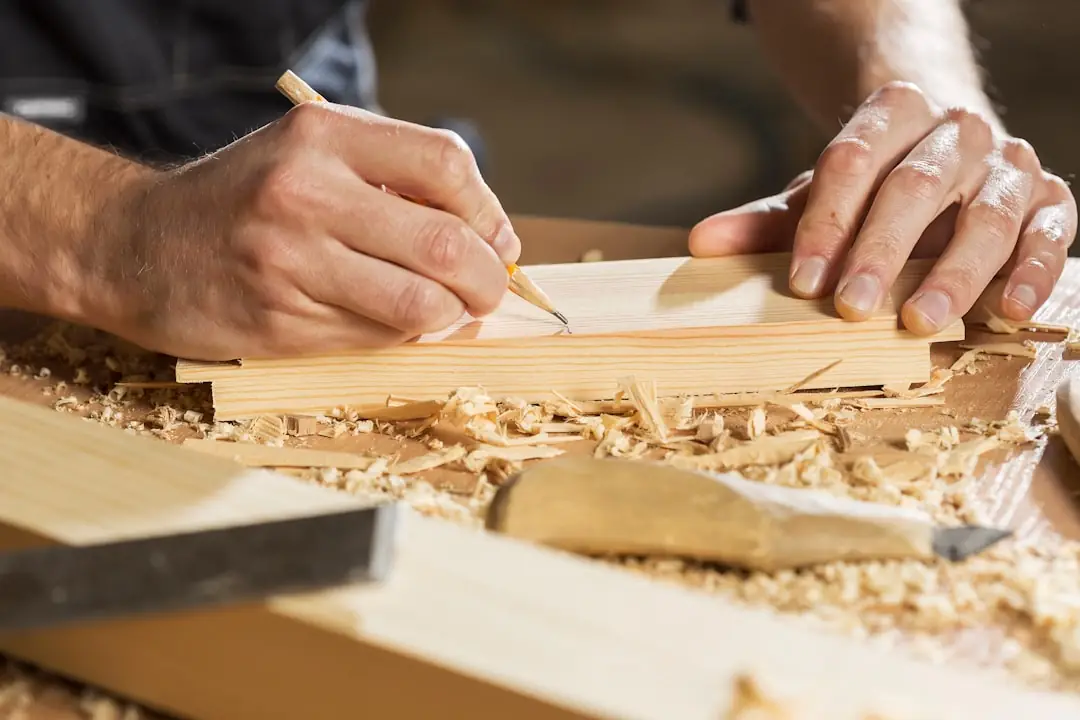
Selecting the right materials is vital in the furniture manufacturing process. At Rancang Works, we offer a variety of high-quality materials including solid teak, reclaimed/recycled teak, mahogany, suar/acacia, natural rattan, synthetic rattan, water hyacinth, seagrass, genuine leather, and stone/terrazzo tops. Each material is chosen for its durability, aesthetic appeal, and suitability for the intended use of the furniture. For instance, teak is renowned for its strength and resistance to weather, making it ideal for outdoor furniture. Mahogany and suar/acacia are favored for their rich grains and ability to create striking live-edge designs. Natural and synthetic rattans are popular for their versatility and lightweight nature, perfect for both indoor and outdoor settings. By offering a wide range of materials, Rancang Works ensures that each piece of furniture can be tailored to meet the specific needs and preferences of international wholesale buyers.
Quality Control and Finishing Techniques
At Rancang Works, quality control is embedded in every step of the manufacturing process. Our commitment to excellence ensures that each piece of furniture undergoes rigorous inspection at multiple stages. From initial material selection to the final product, we employ a comprehensive quality assurance system. Each item is carefully examined for structural integrity, finish quality, and adherence to design specifications. We utilize advanced finishing techniques, including sanding, staining, and sealing, to enhance both the durability and visual appeal of our products. Our finishes include natural, semi-gloss, and high-gloss options, allowing buyers to choose the best finish for their market. This meticulous attention to detail ensures that our furniture not only meets but exceeds international quality standards, providing our buyers with a competitive edge in their respective markets.
Loading and Container Utilization
Efficient loading and container utilization are key to cost-effective shipping in the furniture export process. Understanding the capacity of different container sizes is essential. A 20ft container can hold approximately 28 CBM, a 40ft container about 58 CBM, and a 40ft High Cube (40HQ) around 68 CBM. It’s important to note that bulky upholstered or woven pieces may fill the volume before reaching weight limits, whereas dense knock-down items might hit the weight limit first. At Rancang Works, we ensure that each container is loaded optimally, balancing volume and weight to maximize efficiency. Mixed-model and mixed-material containers are standard practice, allowing buyers to diversify their shipment while meeting per-item minimum order quantities (MOQs) and the minimum container load. This strategic approach to loading helps in reducing shipping costs and ensuring timely delivery.
Minimum Order Quantities and Flexibility
Understanding the minimum order quantities (MOQs) is essential for planning your purchase. For solid-wood furniture, the typical MOQ ranges from 5-20 pieces per item, while for woven or rattan furniture, it ranges from 10-30 pieces per model or color. The minimum order is usually one 20ft container, approximately 25-28 CBM. This flexibility allows buyers to order a variety of products within a single shipment, provided each item meets its per-item MOQ. Rancang Works offers the flexibility to mix models and materials within a container, enabling buyers to tailor their orders to specific market needs. This approach not only enhances the variety of offerings but also optimizes shipping efficiency, making it an attractive option for international buyers.
SVLK Certification and Legal Compliance

Ensuring legal compliance in timber sourcing is of utmost importance. Indonesia’s SVLK (Sistem Verifikasi Legalitas Kayu) is the mandatory Timber Legality Assurance System that every exporter must adhere to. It provides a V-Legal Document with each shipment, verifying that the timber is legally harvested and traceable. This certification is crucial for buyers under the EU Deforestation Regulation (EUDR) and the US Lacey Act, as it supports their due diligence requirements. While SVLK certification ensures legality, some factories also offer FSC certification for additional sustainability assurance. At Rancang Works, we are committed to providing fully compliant products, giving buyers confidence in the legality and ethical sourcing of their furniture.
Packaging and Shipping Assurance
Proper packaging is crucial to protect furniture during transit. At Rancang Works, we use high-quality packaging materials to ensure that products arrive in pristine condition. Each piece is carefully wrapped in protective materials, such as foam and corrugated cardboard, to prevent damage. Additionally, we provide clear labeling and documentation to facilitate smooth customs clearance. Our team ensures that all shipping documents are accurate and complete, reducing the risk of delays at ports. By prioritizing packaging integrity and documentation accuracy, we help our buyers maintain their supply chain efficiency and customer satisfaction.
Incoterms and Shipping Ports
Understanding Incoterms and shipping ports is essential for smooth logistics. FOB is the most common Incoterm used, where the seller handles export clearance and loading at the Indonesian port, while the buyer arranges sea freight and insurance. Other terms like CFR/CNF and CIF are also available. The main furniture export seaports in Indonesia are Tanjung Perak (Surabaya), Tanjung Emas (Semarang), and Benoa (Bali). These ports are strategically located to facilitate efficient shipping to major markets like the US, EU, Australia, the Middle East, and Japan. Understanding these logistics helps buyers plan their shipments effectively, ensuring timely delivery and compliance with international regulations.
Lead Times and Payment Terms
Managing lead times and payment terms is crucial for planning your procurement schedule. Production lead time typically ranges from 30-60 days, depending on order size and finishing requirements. Sea-freight transit takes approximately 3-5 weeks to destinations like the US, EU, and Australia, with shorter durations to the Middle East and Asia. Payment terms usually involve a deposit of approximately 30-50% by T/T (bank transfer) to start production, with the balance payable against a copy of the Bill of Lading. These terms are negotiable for repeat buyers, providing flexibility and assurance in financial transactions. Understanding these timelines and terms helps buyers coordinate their procurement and manage expectations effectively.
For further inquiries or to request a quote, please contact us. Our team is ready to assist you with tailored solutions to meet your sourcing requirements.