
Sourcing custom furniture from Indonesia offers international wholesale buyers a unique opportunity to capitalize on the latest design trends while ensuring quality and legality. With a rich tradition of craftsmanship and access to premium materials, Indonesia is a leading exporter in the global furniture market. Our commitment to sustainability and compliance with the SVLK certification system ensures that our timber products are both legally sourced and environmentally responsible. This page provides an in-depth guide on how to integrate the latest design trends into your custom furniture orders, meeting client expectations and market demands.
Understanding Key Design Trends in Custom Furniture
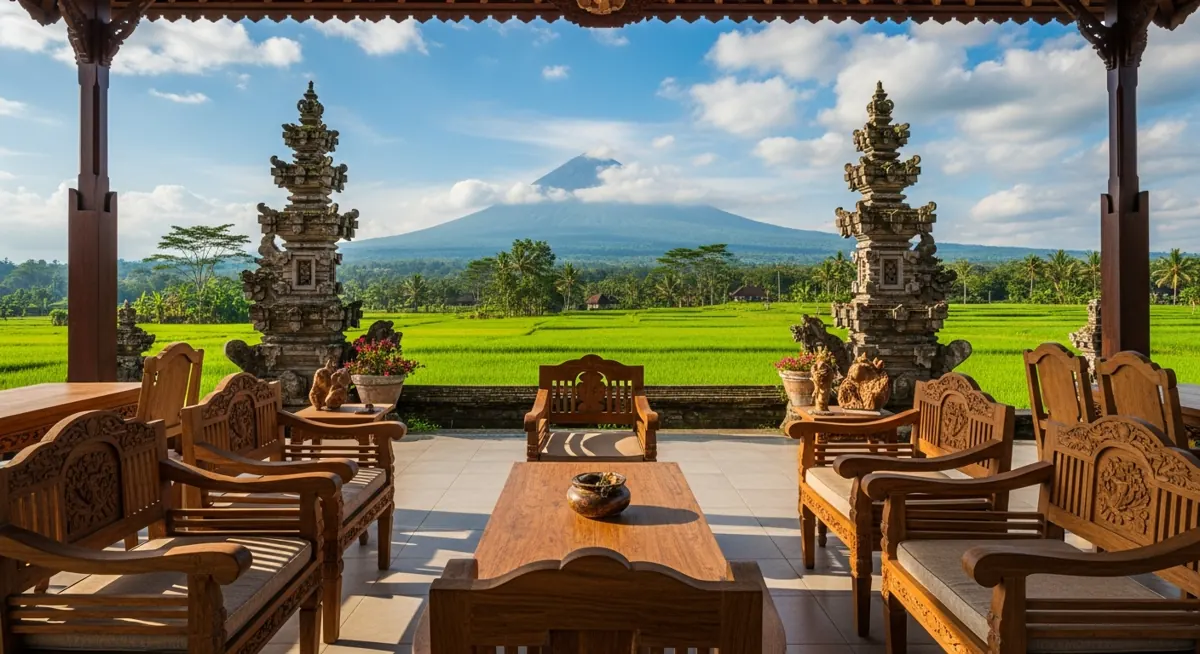
Staying ahead of design trends is crucial for furniture importers and retailers. In 2026, the emphasis is on sustainability, functionality, and innovative materials. Trends such as minimalist designs and biophilic elements are increasingly popular, reflecting a global shift towards eco-conscious living. Buyers are looking for furniture that not only fits aesthetically but also supports sustainable practices. Indonesia’s access to sustainable materials like teak, reclaimed wood, and rattan offers a competitive edge in meeting these trends. Each piece can be customized to align with specific design aesthetics, ensuring that your offerings remain relevant and appealing in the market. Understanding these trends allows you to cater to diverse client needs, from residential to hospitality sectors.
Materials and Their Impact on Design and Functionality
The choice of materials is pivotal in custom furniture design. Indonesia is renowned for its diverse range of materials, including solid teak, reclaimed/recycled teak, mahogany, and suar/acacia wood. These materials are not only durable but also offer a unique aesthetic appeal. For outdoor and contemporary pieces, natural and synthetic rattan, water hyacinth, and seagrass are popular choices. Each material has specific properties that influence the design and functionality of the furniture. For instance, teak is known for its resistance to weather, making it ideal for outdoor furniture. Understanding the properties of these materials allows buyers to make informed decisions, ensuring that the furniture meets both aesthetic and functional requirements.
Quality Control and Finishing Techniques
Ensuring high-quality output is a fundamental aspect of our production process. At Rancang Works, we implement rigorous quality control measures at every stage, from material selection to final inspection. Our skilled artisans are trained to adhere to strict standards, guaranteeing that each piece meets the specified requirements. Various finishing techniques are employed to enhance the aesthetic appeal and durability of the furniture. Options include natural finishes, which highlight the wood’s inherent beauty, and more elaborate treatments like staining, painting, or distressing for a custom look. These finishes not only protect the furniture but also ensure it meets the design preferences of different markets. Regular audits and inspections are part of our commitment to delivering consistently high-quality products.
Packing and Shipping: Ensuring Safe Delivery
Proper packing is essential to prevent damage during transit. At Rancang Works, we use industry-standard packing materials and techniques to ensure that your furniture arrives in perfect condition. Each piece is carefully wrapped and secured using protective materials such as bubble wrap, foam padding, and corner protectors. For larger items, custom crates or pallets are employed to provide additional stability. Our packing process is designed to optimize space within containers, reducing shipping costs without compromising safety. We also provide detailed packing lists and documents to facilitate smooth customs clearance. By prioritizing careful packing and efficient shipping, we ensure that your orders are delivered safely and on time.
Custom Furniture Production and Lead Times
The production of custom furniture in Indonesia typically spans 30-60 days, depending on the complexity and size of the order. This timeline includes the design, material selection, and craftsmanship stages. Buyers should consider these lead times when planning their procurement schedules. Once production is complete, sea-freight transit takes approximately 3-5 weeks to reach destinations in the US, EU, and Australia. It’s important to confirm current schedules as they can vary by route and season. For buyers in the Middle East and Asia, transit times are generally shorter. Understanding these timelines helps in managing client expectations and ensuring timely delivery of orders.
Container Loading and MOQ Considerations
Efficient container loading is crucial for optimizing shipping costs. A 20ft container can hold approximately 28 CBM of furniture, while a 40ft container holds 58 CBM, and a 40ft High Cube (40HQ) can accommodate 68 CBM. Buyers should consider the size and type of furniture when planning shipments. For example, bulky upholstered pieces may fill the container volume before reaching weight limits, whereas dense knock-down items might reach weight limits first. Minimum order quantities (MOQs) vary, with solid-wood furniture typically requiring 5-20 pieces per item and woven/rattan models needing 10-30 pieces per color. Mixed-model and mixed-material containers are a standard practice, provided each item meets its per-item MOQ.
Compliance and Certification: Ensuring Legality and Sustainability
Compliance with the SVLK certification system ensures that all timber products are legally sourced and traceable. This certification is mandatory for Indonesian wood-product exporters and provides strong legality evidence under the EU Deforestation Regulation and the US Lacey Act. While the SVLK certification guarantees legality, some factories also pursue FSC certification for additional sustainability credentials. Buyers can be confident in the legality of their purchases, but it’s important to note that importers still have their own due-diligence responsibilities. Ensuring compliance with these regulations is critical for maintaining trust and credibility in the international market.
OEM/ODM and Private Label Opportunities
Indonesia offers extensive OEM (Original Equipment Manufacturer) and ODM (Original Design Manufacturer) opportunities, allowing buyers to develop custom furniture according to their specifications. Factories can manufacture pieces based on a buyer’s drawings, specs, and finishes, with pre-production samples provided for approval. This flexibility enables buyers to create unique product lines that align with their brand identity. For those interested in private-label furniture branding, Indonesia’s factories provide comprehensive support, from design to production. This capability is particularly advantageous for retailers and interior designers looking to differentiate their offerings in a competitive market.
Pricing, Incoterms, and Payment Terms
Pricing for custom furniture is quoted per order, taking into account factors such as material, grade, specification, finish, volume, and Incoterm. FOB (Free On Board) is the most common term, where the seller handles export clearance and loading at the Indonesian port, and the buyer arranges sea freight and insurance. Other terms like CFR/CNF and CIF are also available. The main export seaports include Tanjung Perak (Surabaya), Tanjung Emas (Semarang), and Benoa (Bali). Payment terms usually require a deposit of approximately 30-50% by T/T to start production, with the balance due against a copy of the Bill of Lading. These terms can be negotiated for repeat buyers, ensuring flexibility in financial arrangements.
For more information on how to incorporate the latest design trends into your custom furniture orders, contact us today. Our team is ready to assist you with a detailed request for quote (RFQ) process tailored to your specific needs. Reach out via WhatsApp at +62 811-3941-4563 or email at [email protected] to explore the possibilities of sourcing high-quality, trend-aligned furniture from Indonesia.