
International wholesale buyers sourcing furniture from Indonesia recognize the potential of entering the Japanese market with custom-designed products. This growing market appreciates high-quality, innovative, and sustainable furniture. By leveraging Indonesia’s expertise in materials like teak and rattan, along with the assurance of SVLK certification, businesses can navigate entry into Japan effectively. Understanding the logistics, materials, and cultural expectations is key to establishing a strong presence.
Understanding Japanese Market Preferences
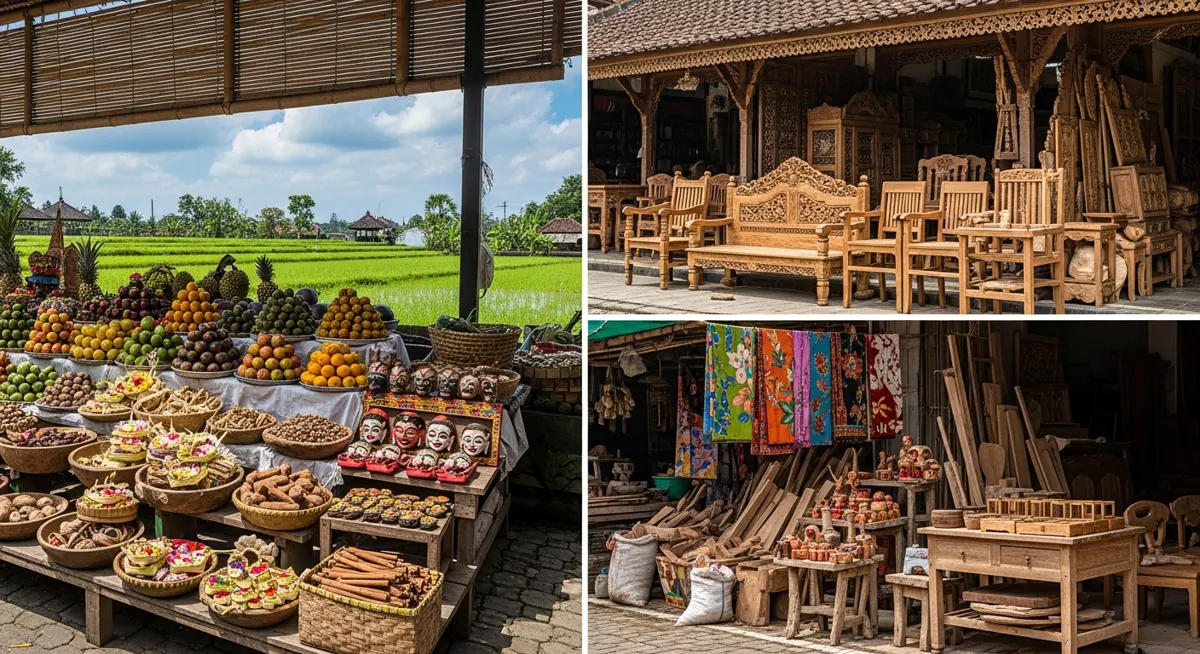
Entering the Japanese furniture market requires a keen understanding of local consumer preferences. Japanese consumers value minimalist design, functionality, and sustainability. Incorporating these elements into custom designs can significantly enhance market acceptance. Solid teak and mahogany, known for their durability and aesthetic appeal, are popular choices that align with Japanese tastes. Moreover, the use of natural rattan can cater to the demand for eco-friendly products. Indonesia’s ability to offer these materials with SVLK certification provides an added layer of assurance for Japanese buyers. This certification ensures that the wood is legally harvested, supporting sustainable practices. Importers should also consider the meticulous attention to detail that Japanese consumers expect, which can be achieved through OEM/ODM manufacturing that allows for customization according to specific design and quality standards. This approach not only meets market expectations but also builds a reputable brand presence in Japan.
Leveraging Indonesia’s Material Expertise
Indonesia’s rich variety of materials is a significant advantage for entering the Japanese market. The country is renowned for its high-quality teak, sourced primarily from Jepara, Central Java. Teak is favored for its strength and resistance to the elements, making it ideal for both indoor and outdoor furniture. Additionally, reclaimed teak offers a sustainable option that appeals to environmentally conscious buyers. Natural rattan and synthetic all-weather rattan are also in demand, particularly for their versatility and aesthetic qualities. These materials are suitable for various design styles, from traditional to contemporary. For those seeking unique pieces, suar/acacia provides striking live-edge tables that can act as statement pieces in any setting. By offering a diverse range of materials, Indonesian manufacturers can cater to the specific needs of Japanese buyers, ensuring a competitive edge in the market. For more details on material options, refer to Teak and Rattan.
Production and Lead Times
Understanding production and lead times is crucial for market entry success. Indonesian manufacturers typically require 30 to 60 days for production, depending on the order size and finishing requirements. This timeline ensures that each piece meets the high-quality standards expected by Japanese buyers. Once production is complete, sea freight transit to Japan takes approximately 3 to 5 weeks. However, this can vary by route and season, so it’s essential to confirm current schedules when planning shipments. Buyers can choose from a range of Incoterms, with FOB being the most common. This term means the seller handles export clearance and loading at the Indonesian port, while the buyer arranges sea freight and insurance. For detailed information on the shipping process, visit our Furniture Export Shipping Process page.
Meeting Minimum Order Quantities (MOQ)
For wholesale buyers, understanding and meeting MOQ requirements is a critical aspect of entering the Japanese market. Indonesian manufacturers typically set per-item MOQs at 5-20 pieces for solid-wood furniture and 10-30 pieces per model/colour for woven or rattan items. The minimum order generally fills one 20ft container, approximately 25-28 CBM. Mixed-model and mixed-material containers are standard practice, provided each item meets its per-item MOQ and the load meets the minimum CBM. This flexibility allows buyers to tailor their orders to suit market demands while optimizing shipping efficiency. By aligning with these MOQ requirements, buyers can ensure a smooth procurement process and maintain inventory levels that meet consumer demand.
Ensuring Compliance with SVLK Certification
Compliance with Indonesia’s SVLK certification is non-negotiable for exporting wood products, including furniture. This system verifies the legality of the timber, providing traceability and assurance to international buyers. SVLK certification is the basis of Indonesia’s FLEGT partnership with the EU and supports compliance with the EU Deforestation Regulation and the US Lacey Act. While SVLK ensures legality, importers must still perform their own due diligence. Some manufacturers also offer FSC certification for added sustainability assurance. For more information on SVLK and V-Legal certification, visit the SVLK Official Site.
OEM/ODM Opportunities for Custom Designs
Indonesia offers extensive OEM/ODM opportunities, allowing buyers to customize furniture designs to meet specific market needs. This approach enables the production of unique pieces that resonate with Japanese consumers. Buyers provide drawings, specifications, and finishes, and manufacturers produce pre-production samples for approval. This collaborative process ensures that the final product aligns with the buyer’s vision and quality standards. Private-label and branding options are also available, allowing businesses to establish their brand identity in the Japanese market. To learn more about developing custom designs, explore our ODM Furniture Development page.
Logistics and Incoterms for Japan
Navigating logistics and understanding Incoterms are essential for entering the Japanese furniture market. The main export seaports in Indonesia are Tanjung Perak (Surabaya), Tanjung Emas (Semarang), and Benoa (Bali). FOB is the most common Incoterm, where the seller handles export clearance and loading, while the buyer manages sea freight and insurance. CFR/CNF and CIF are also available, offering different levels of cost and responsibility sharing. Buyers should confirm the exact terms per order to ensure clarity and avoid unexpected costs. Understanding these logistics details will facilitate a smooth entry into the Japanese market, ensuring timely delivery and compliance with all regulations.
Establishing Strong Buyer Relationships
Building strong relationships with buyers is key to successful market entry and long-term success in Japan. Clear communication, transparency, and reliable service are essential components of these relationships. Offering competitive pricing, flexible order arrangements, and consistent quality can enhance buyer trust and loyalty. Regular engagement and feedback loops help address any concerns and adapt to changing market needs. For pricing details, buyers are encouraged to request a quote, as prices are determined by material, grade, specification, volume, and Incoterm. Establishing these relationships not only facilitates initial market entry but also ensures sustained growth and presence in Japan.
For further inquiries and to request a quote, please visit our Contact page. Our team is ready to assist you with tailored solutions for entering the Japanese furniture market.