
As an experienced Indonesian furniture-export manager, I understand the intricacies of sourcing high-quality custom furniture. When comparing teak and rattan for your business needs, it’s crucial to consider factors like durability, aesthetics, and sustainability. Both materials have unique qualities that cater to different market demands, and understanding these can significantly impact your procurement decisions.
Understanding Teak’s Durability and Appeal
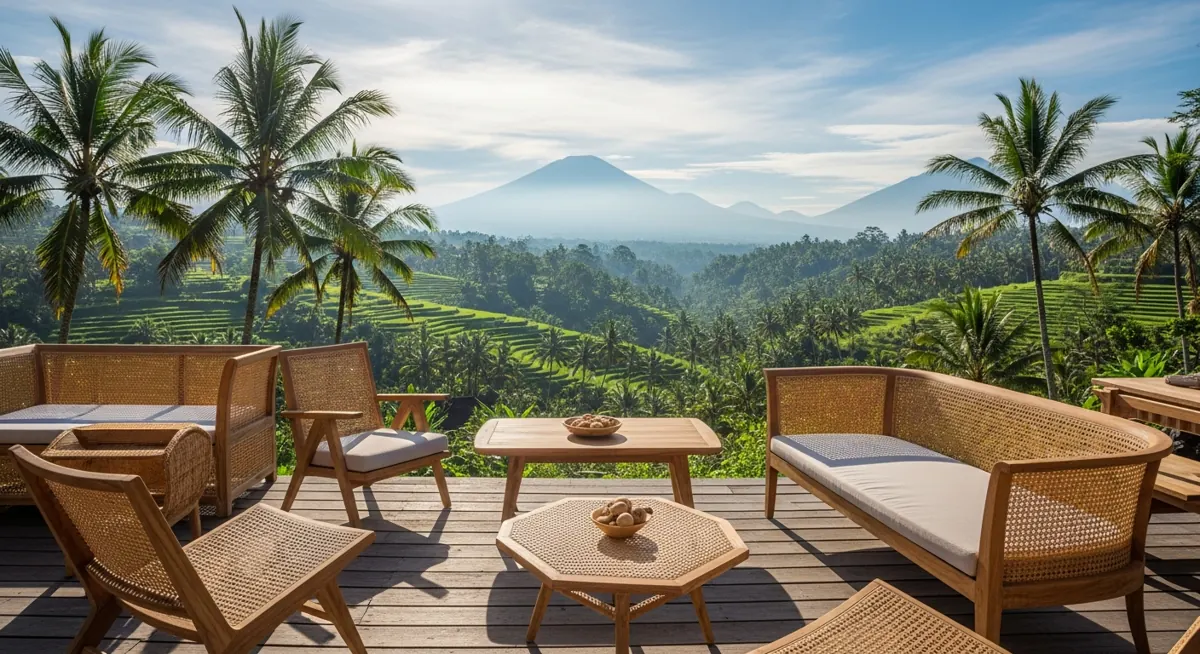
Teak is renowned for its durability and natural resistance to elements, making it an ideal choice for both indoor and outdoor furniture. This hardwood, primarily sourced from Jepara, Central Java, is celebrated for its rich golden-brown hue and fine grain. Teak’s natural oils make it resistant to termites and moisture, ensuring longevity. The teak used in Indonesian furniture is typically SVLK-certified, providing assurance of legal and sustainable sourcing. For buyers, this means compliance with international regulations such as the EU Deforestation Regulation (EUDR) and the US Lacey Act. The MOQ for solid teak furniture usually ranges from 5-20 pieces per model, and production lead times are approximately 30-60 days. Teak furniture is often shipped FOB from ports like Tanjung Perak and Tanjung Emas, with sea transit times varying by destination.
Rattan’s Versatility and Lightweight Design
Rattan, a climbing palm largely sourced in Indonesia, offers a lightweight and flexible option for furniture construction. Known for its ability to be woven into intricate designs, rattan is perfect for indoor use and some outdoor settings. The natural aesthetic of rattan furniture aligns well with contemporary and tropical design trends. Indonesian manufacturers often use both natural and synthetic (PE) rattan, with the latter offering enhanced weather resistance. Rattan’s MOQ typically ranges from 10-30 pieces per model/colour, allowing for diverse inventory options. Production lead times are similar to teak, at around 30-60 days, and shipments are commonly made FOB from Bali. Rattan’s lightweight nature allows for efficient container loading, maximizing shipping capacity.
Comparing Material Costs and Benefits
When choosing between teak and rattan, cost considerations are vital. Teak is generally more expensive due to its durability and the complexity of its processing. However, its long-term value and minimal maintenance can offset initial costs. Rattan, being more cost-effective, offers a quicker return on investment, especially for styles and trends that evolve rapidly. The choice between these materials should align with your target market’s preferences and your business model. Both materials offer flexibility in design and can be customized to fit specific aesthetic and functional requirements. Pricing for both materials is quoted per order, factoring in material grades, finishes, and order volume.
SVLK Certification and Legal Compliance
Indonesia’s SVLK certification is mandatory for all wood-product exports, ensuring timber is legally harvested and traceable. This system supports international due diligence requirements under the EUDR and the US Lacey Act. Buyers can verify the legality of their purchases through the SVLK/V-Legal system, which provides robust evidence of compliance. While SVLK focuses on legality, some manufacturers also offer FSC certification for additional sustainability credentials. It’s essential for buyers to understand these certifications as they directly impact compliance with international trade regulations and corporate sustainability goals.
Quality Control and Finishing Techniques
Ensuring high product quality is paramount in furniture manufacturing. Indonesian factories employ rigorous quality control (QC) processes, including inspections at each production stage, from raw material selection to final packaging. These procedures help maintain consistency and meet international quality standards. Finishing techniques play a crucial role in enhancing the appearance and durability of furniture. Teak furniture often undergoes several finishing stages, including sanding, staining, and sealing, to highlight its natural grain and provide protection against environmental factors. Rattan furniture, on the other hand, may be varnished or painted to achieve the desired aesthetic. Buyers can specify their preferred finishes to align with their market needs, ensuring that the end products meet their exact specifications.
Packing and Shipping Considerations
Proper packing is essential to safeguard furniture during transit. Indonesian manufacturers typically use high-density foam, bubble wrap, and sturdy cardboard boxes to protect products from damage. For larger items, wooden crates might be used to provide added protection. Understanding the packing process is crucial for buyers to ensure that products arrive in pristine condition. Shipping logistics are also a key consideration, with options for full container load (FCL) or less than container load (LCL) depending on order size. Efficient logistics management helps in minimizing costs and ensuring timely delivery. Buyers should also account for potential shipping delays and coordinate closely with suppliers to align shipping schedules with market demands.
MOQ Tiers and Customization Flexibility
Minimum order quantity (MOQ) tiers are an important aspect of wholesale purchasing. Indonesian furniture manufacturers offer flexible MOQ tiers to accommodate different business sizes and market strategies. For example, larger MOQs might come with price discounts, making them suitable for bulk buyers, while smaller MOQs allow for more diverse product offerings and testing of new market segments. Customization is another area where Indonesian manufacturers excel, offering a range of options from material selection to design modifications. This flexibility allows buyers to tailor products to their specific market needs, offering unique and differentiated products. Customization services are supported by skilled artisans and advanced manufacturing techniques, ensuring high-quality outcomes that meet international standards.
Container Loading and Shipping Logistics
Efficient container loading is crucial for optimizing shipping costs. A 20ft container typically holds about 28 CBM, while a 40ft container accommodates 58 CBM, and a 40HQ holds 68 CBM. Teak furniture, often heavier, may reach weight limits faster, whereas rattan’s bulkier nature may fill volume limits first. Indonesian suppliers regularly offer mixed-model and mixed-material containers, provided each item meets its per-item MOQ. Shipping is usually conducted on FOB terms, with the main export ports being Tanjung Perak, Tanjung Emas, and Benoa. Buyers should plan for sea-freight transit times of approximately 3-5 weeks to major markets, confirming current schedules when placing orders.
OEM and ODM Furniture Manufacturing
Indonesia is a leader in OEM/ODM furniture manufacturing, allowing buyers to customize designs to their specifications. Factories in Jepara and Bali offer capabilities to produce bespoke pieces, with pre-production samples ensuring alignment with buyer expectations. This flexibility extends to private-label branding, enabling businesses to create a unique market identity. The ability to source custom furniture tailored to specific market needs is a significant advantage, enhancing competitiveness in the global market. For more details on customization options, explore our OEM furniture manufacturing services.
Lead Times and Payment Terms
Typical production lead times for custom furniture orders range from 30-60 days, influenced by order size and finishing complexity. Payment terms generally require a deposit of approximately 30-50% via T/T to initiate production, with the balance due against a Bill of Lading copy. These terms are often negotiable for repeat buyers, providing flexibility in financial planning. Understanding these timelines and payment structures is essential for effective supply chain management, ensuring timely delivery and financial efficiency. For more insights, refer to our material selection options.
For further assistance or to request a quote, please contact us at our contact page or reach out via WhatsApp at +62 811-3941-4563. Our team is ready to support your sourcing needs and provide detailed quotations tailored to your specifications.